
Steel vs GFRP
(Glass Fiber Reinforced Polymer)
Steel weakness
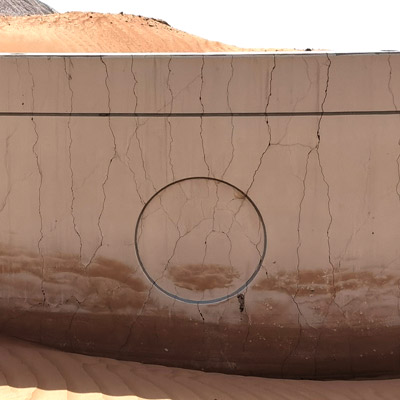
- Corrosion leads to full loss of structure very fast
- Repairs are regular and expensive
- Ugly look of concrete elements in 2-3 years
- 4-5 times heavier than GFRP
GFRP advantages

- Outstanding return on investment (ROI) - despite making only a minor portion of the project cost, it extends life of the whole asset from 3 to 5 times, up to 100 years
- Protects your asset. Resistant to corrosion
- Concrete looks great. No repairs required
- Easy to install
- Higher tensile strength allows to install less bars in some cases
- Cost savings compared to steel use may be possible; design needs to be calculated
- GFRP is used for +30 years. National program for bridges renovation in the USA is based on steel replacement by GFRP
GFRP weakness
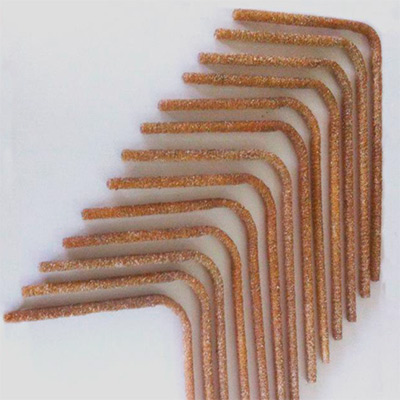
- Lower modulus of elasticity requires to install more bars in some cases
- Bent elements cannot be made on site
- Has lower fire resistance than steel
- Requires design based on GFRP mechanical specifications (we do provide assistance)
Steel advantages
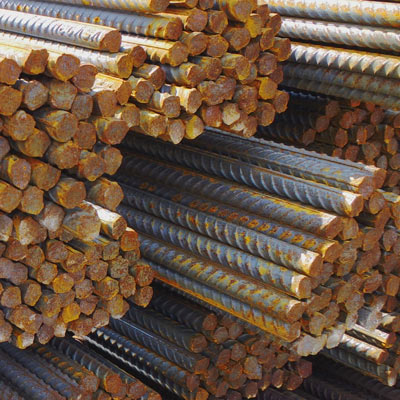
- Standard designs are made for steel
- Higher fire-resistancy
- Higher modulus of elasticity, allows to install less bars in some cases
- Short-term savings (from 0 to 5% of the project cost) compared to GFRP use